
How, over the last century, have changing ideas of the body and sexuality influenced the design of buildings? And how, in turn, can certain structures influence the bodies within them? We invariably think of towers as phallic, but there are countless other ways buildings connote sex. The built environment provides the framework for our sexual lives; places and structures can act as reminders of our sexual histories; interior design can both embody and trigger erotic fantasies. Since Freud, Western societies have given sex an unprecedented centrality in public and private lives. The relationship between sex and buildings matters now more than ever.
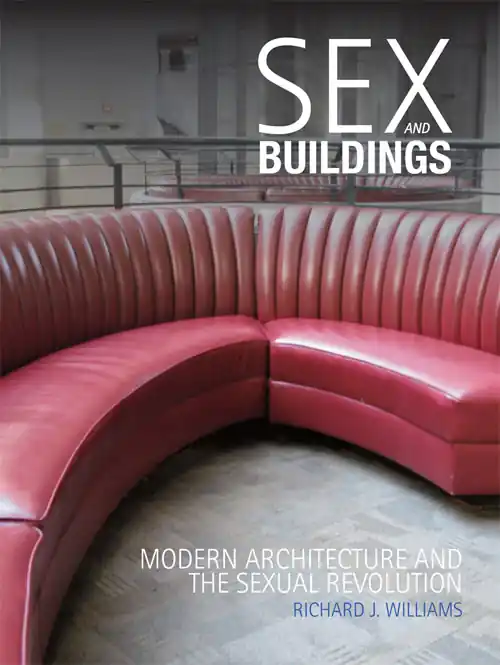
Part architectural history, part cultural analysis and part travelogue, The book ‘Sex and Buildings.Modern Architecture and the Sexual Revolution’ explores how sexual attitudes appear in architecture. ‘Sex and Buildings.Modern Architecture and the Sexual Revolution’ asks what a sexually progressive architecture might look like – and how we understand some architectures as repressive.