
Titel: Women’s Identities at War
Schrijver: Susan R. Grayzel
Bindingswijze: Paperback
EAN: 9780807848104
Conditie: Goed
Staat van dit boek
Elk boek is handmatig gecontroleerd. Vragen? Stuur gerust een bericht.
Condities
Als nieuw Zo goed als nieuw, geen tot vrijwel geen gebruikssporen.
Goed Lichte gebruikssporen mogelijk, meestal geen aantekeningen.
Redelijk Zichtbaar gebruikt, kan sporen of aantekeningen bevatten.
Nieuw Ongelezen en in nieuwe staat.
Beschrijving:
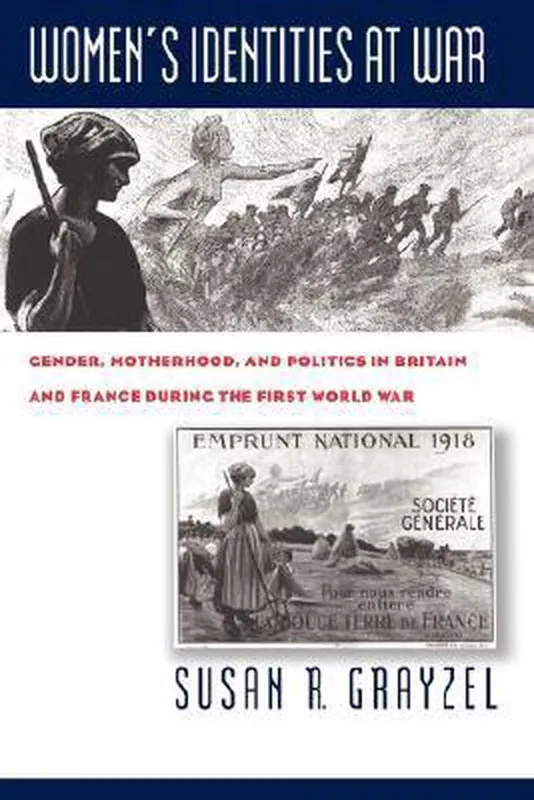
This study on the triumph of motherhood in Britain and France during World War I argues that throughout the war, traditional notions of masculinity and femininity survived, primarily through the maintenance of soldiering and mothering as the core of gender and national identities.
There are few moments in history when the division between the sexes seems as “”natural”” as during wartime: men go off to the “”war front””, while women stay behind on the “”home front””. But the very notion of the home front was an invention of the First World War, when, for the first time, “”home”” and “”domestic”” became adjectives that modified the military term “”front””. Such an innovation acknowledged the significant and presumably new contributions of civilians, especially women, to the war effort. Yet, as the author of this study argues, traditional notions of masculinity and femininity survived, primarily through the maintenance of soldiering and mothering as the core of gender and national identities. Drawing on sources that range from popular fiction and war memorials to newspapers and legislative debates, Susan Grayzel analyzes the effects of World War I on ideas about civic participation, national service, morality, sexuality, and identity in wartime Britain and France. Despite the appearance of enormous challenges to gender roles due to the upheavals of war, the forces of stability prevailed, she states, demonstrating the western European gender system’s remarkable resilience.